
April 3, 2020
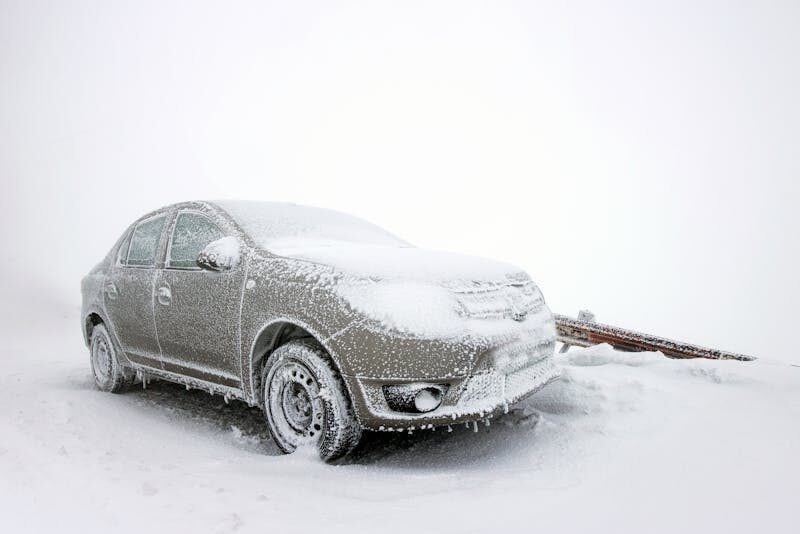
No matter where you live, the weather can be fairly unpredictable, especially during the winter months. And if you live in Oklahoma or the Dallas area, you have most likely experienced the sudden change of one day walking in the warm sun and the next frigid temperatures and high winds.
Make sure you are always prepared for these shifts in temperature and keep your vehicle “winter weather-ready”. Be prepared for the sudden changes in the weather with the following winter driving tips.
- Protect your engine by checking your fluids. Make sure your coolant is full to control your cooling system, your windshield washer fluid is full and you are up to date with your oil change.
- The cold weather can damage your hoses and belts. Be sure to check these for wear and tear.
- Check your brake pads. You want to avoid rust on your brake pads as that can lead to pitting. Pitting wears away at your brake rotors, leaving them scored and rough, which allows rust particles to contaminate the brake pads. If your rotor and brake pad get stuck together, you may notice a stiff brake pedal, a “sluggish” feeling when you take your foot off the brake pedal, and a burning smell.
- Keep an ice scraper in your car for your windows. If you know you are going to be out of your car for an extended amount of time when it is icy/snowing outside, lift your wiper blades so they do not become stuck to your car. This will also make it easier to scrape the ice off.
- Keep your gas tank at least half a tank full as traffic can increase with ice and snow.
- Check your tire pressure and store a tire pressure gauge in your car as temperature drops can affect tire pressure dramatically. Additionally, check the tread depth of your tires. This can make the difference if you hit an icy patch on the road.
- Prepare an emergency kit in case you encounter car trouble. Some items to keep in this kit include:
- In the instance you become stranded you always want to have a few bottles of water on hand.
- If you become stuck in the snow a small shovel will come in handy if you have to dig out your tires.
- It is always smart to keep jumper cables in your vehicle all year-round. You never know when you or a friend might need a jump.
- Anti-freeze windshield wiper fluid is typically alcohol-based and can not only prevent freezing but also help melt frost and ice on your windshield.
- Another item to keep in your vehicle all year-round is a first aid kit. Some items to keep in this kit are :
- Adhesive Band-Aids
- Gauze pads
- Antibiotic ointment
- Antihistamine for allergic reactions
- Antiseptic wipes to sanitize your hands and hand sanitizer
- Aspirin, Ibuprofen, or other pain-relieving medication
- Aloe Vera to treat mild burns
- A digital thermometer
- Tweezers
- Saline solution for eye washing or cleaning wounds
- The Owner’s Manual is always good to keep in your car. If your vehicle breaks down this guide may include a simple trick to get it working again.
- A small bag of sand or non-clumping kitty litter is a necessity if you are traveling where you know there will be snow. This will help you tire gain some traction if you become stuck.
- Keep cold-weather gear for you and the kids including gloves, hats, jackets, boots, and blankets. You do not want to be stuck in the cold without these items.
- If you are traveling to cold temperatures where there will be snow consider exchanging your all-season tires for snow tires. The combination of cold temperatures, ice, and snow can be best met by winter tires, which are specially designed to perform in winter conditions.
Most importantly, if you have the option of staying home when driving conditions are unsafe, you should consider that first. The dangers are not worth the risk.
As it gets colder please be safe and stay aware on the roads. Consistently practice safe driving and your everyday car can transform into your winter car. Make it a habit to always prepare for the worst and check for the essentials before heading out. Check the air pressure in your tires, your oil, windshield wiper, gas, and coolant fluids. Keep warm clothes in your vehicle and always
If the unexpected should happen to give Accident Care and Treatment Center, Inc a call. We offer same day, next day, and walk-in appointments. If you are injured, begin your road to recovery begins here.
Frequently Asked Questions
What is the most important winter vehicle prep step?
Tire inspection. Adequate tread depth (above 4/32 inch) and proper pressure (adjusted for cold weather) are the single largest factor in winter driving safety. Tire pressure drops roughly 1 PSI per 10°F temperature drop.
How often should I warm up my car in cold weather?
Modern fuel-injected engines need only 30–60 seconds of idle warm-up before driving gently. Extended idling wastes fuel, increases emissions, and actually wears engine components more than gentle driving. Older carbureted engines need longer warm-up.
Do I need four-wheel drive for Oklahoma winters?
Not for most conditions. All-wheel drive or 4WD helps in deeper snow, but does nothing to improve braking or cornering on ice — the primary winter hazard in Oklahoma. Proper tires and driver technique matter more than drivetrain.
What if my car is damaged in a winter accident?
Document the scene, file a police report, contact your insurance promptly, and — critically — get medical evaluation even if you feel fine. Winter crashes on ice often involve lower speeds but can still produce serious injury due to sudden deceleration. Call Accident Care at (405) 842-3209 to schedule.
Injured in an Auto Accident? We Can Help
Accident Care and Treatment Center has been exclusively dedicated to auto-accident injury since 1995. Our Oklahoma City clinic at 3209 NW Expressway provides a complete continuum of care under one roof:
- Licensed medical doctors, not chiropractors, who diagnose, prescribe, and direct care
- On-site imaging: digital X-ray, MRI, CT, and ultrasound all performed same-day
- Physical therapy: in-house therapists coordinate directly with your physician
- Interventional pain management: trigger point injections, nerve blocks, and epidurals when needed
- Direct insurance billing: we bill the at-fault driver’s insurance, so most patients pay nothing up front
- Same-day appointments and walk-ins welcome: Monday through Friday
When to Seek Evaluation
Seek a medical evaluation within 24–72 hours of the accident if you experience any of the following:
- Neck, back, shoulder, or head pain, even if mild or delayed
- Headaches, dizziness, or light/noise sensitivity
- Tingling, numbness, or weakness anywhere in the body
- Reduced range of motion or stiffness
- Difficulty concentrating, memory changes, or sleep disruption
Call (405) 842-3209 or walk in during business hours. We serve Oklahoma City, Edmond, Norman, Moore, Midwest City, Del City, Yukon, and Mustang.